
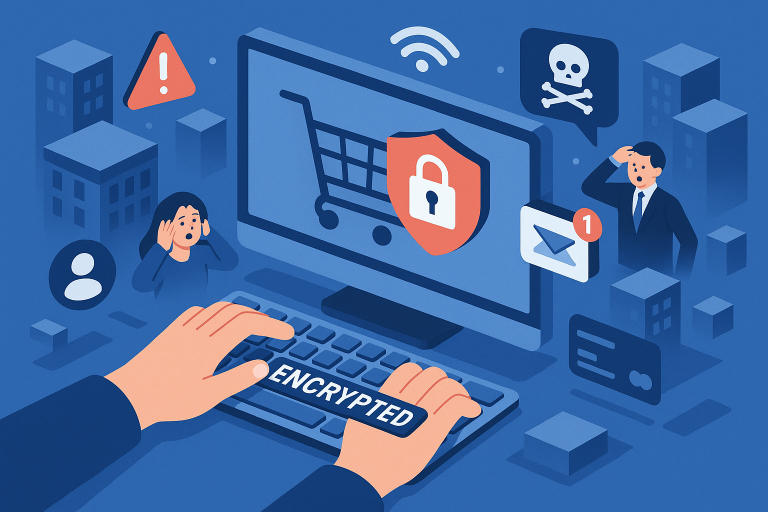
In an age where digital convenience defines modern commerce, online shoppers find themselves walking a thin line between ease and exposure. The unprecedented accessibility of goods and services on the internet isn’t without its costs—unfamiliar risks, privacy breaches, fraudulent schemes, and a constant influx of security threats are now part of the landscape. At VIP Safety First, we believe that minimizing risk begins with education grounded in experience. This article shares five critical lessons learned by online shoppers, offering tips to safeguard your personal and financial information in today’s digital marketplace.
1. Never Use Your Primary Phone Number for Online Transactions
One of the earliest mistakes new online shoppers make is using their personal phone number when signing up for deals, completing purchases, or contacting sellers. It seems harmless—until scam calls, unsolicited messages, and data breaches begin to target that same number.
Over time, experienced shoppers learn to rely on a secure second phone number for online interactions. This simple step fosters a layer of privacy between you and the digital vendors or platforms you engage with. Services that allow you to generate and manage a secure second phone number have become essential for maintaining a clean line of communication separate from your daily life.
2. Free Wi-Fi Isn’t Free From Risk
Online shopping from a café, airport, or train station may feel productive, but public Wi-Fi is notoriously easy to exploit. Data intercepted across unsecured networks can expose login credentials, personal details, and even credit card information.
Experts who’ve learned the hard way now avoid conducting purchases or entering sensitive data over unsecured connections. If using public Wi-Fi is unavoidable, they employ Virtual Private Networks (VPNs) to encrypt internet traffic. This creates a security tunnel, protecting you from interception and eavesdropping.
3. One Password Shouldn’t Rule Them All
Another prevalent oversight is the reuse of passwords across platforms. If one minor shopping website is compromised, attackers can deploy your credentials across major marketplaces, banking platforms, and email providers using “credential stuffing” strategies.
Experienced digital consumers create unique, complex passwords for each service—often using a trustable password manager to store them securely. This reduces the impact of platform-level breaches and ensures unauthorized access to one account doesn’t lead to a domino effect.
4. Too-Good-To-Be-True Offers Are Usually Just That
Phishing and social engineering often masquerade as irresistible deals—high-end products for low prices, last-minute discounts that demand unusual payment methods, or emails that nudge you to “verify your purchase.” These tactics prey on urgency and distraction.
Shoppers with experience learn to cross-reference websites, verify vendors, and avoid clicking through promotional links in emails. Trust is placed in official apps or bookmarks, rather than ads that flood social media feeds or pop-up offers on unverified platforms.
5. Two-Factor Authentication Isn’t Optional Anymore
Credential leaks, brute force attempts, and phishing campaigns have made it critical to have more than just a password between you and your digital identity. Two-factor authentication (2FA) adds an extra layer of protection, often involving a code sent to your phone or email.
Veteran online shoppers now treat 2FA as a staple, enabling it on every website that offers the feature. Combined with a secure second phone number, it ensures that even if one vector is compromised, your critical accounts remain protected behind an additional barrier.
Final Thoughts: Caution Is the New Convenience
Digital convenience shouldn’t come at the expense of your privacy and security. While the allure of seamless access to goods and services is real, the experiences shared by seasoned online shoppers reveal that each shortcut can become a backdoor to vulnerabilities.
VIP Safety First encourages users to adopt proactive safety habits, from using a secure second phone number to responsibly managing passwords and avoiding high-risk behaviors online. With evolving threats and digital tactics growing more sophisticated by the day, the best defense is an informed one.
Get started today—shield your digital life with smart habits grounded in real-world experience.