
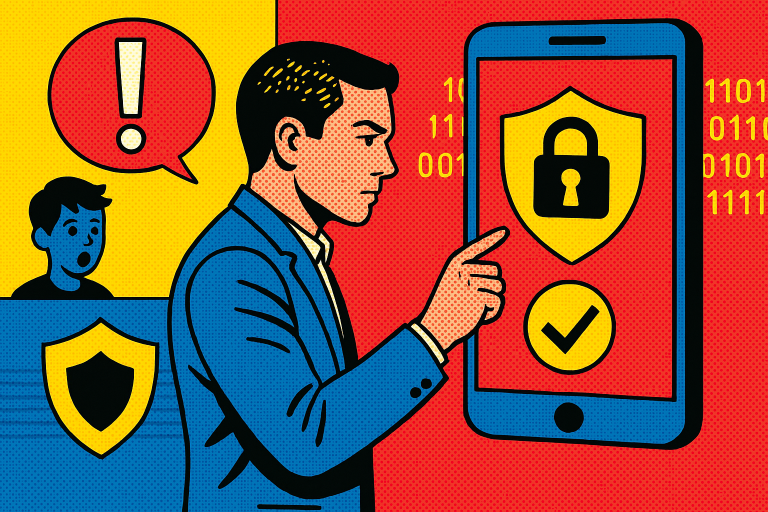
We live in a time where our teens are growing up in a digital playground filled with both opportunity and risk. It’s amazing to see how efficiently our kids navigate apps, social media, and online communities. But when it comes to their safety, many parents are operating based on outdated notions and dangerous myths. At vipsafetyfirst.com, we believe it’s time to bridge the knowledge gap and empower parents with real digital safety strategies—especially when it comes to one of today’s most under-addressed issues: how to stop spam calls and texts that often serve as gateways into deeper online threats.
The Modern Myth: “My Teen Is Tech Savvy—They’ll Know What to Avoid”
Case Study 1: Emily, Age 14
Emily’s parents described her as a “digital native.” She was teaching her grandparents how to use their smartphones and had over 10,000 followers on TikTok. Her parents thought she was invincible—but then came the incident. Emily clicked on a link from a text message that seemed like a delivery notification from a familiar retailer. Within hours, her social accounts were compromised and her contact list was being messaged from her hacked account.
The myth here is that tech savviness equals street smarts online. But in reality, no one is immune to manipulation when cybercriminals use sophisticated social engineering tactics. These spam texts and phishing messages are increasingly personalized, making it hard even for adults to detect the fakes. Empowering your teen with digital intuition requires more than knowing how to scroll—it takes knowledge of why and how these scams work.
Myth #2: “Spam Calls and Texts Are Just Annoying—They’re Harmless”
Case Study 2: Jordan, Age 16
Jordan started receiving random calls and texts after entering his phone number into a giveaway on social media. He ignored the calls and marked the texts as spam. A few weeks later, his family discovered that someone had used his name and partial identity info to open a fake student loan application. The scammers used a phishing link from a spam text message to gain personal information that Jordan didn’t even know he had provided.
This isn’t just frustrating—it’s dangerous. Spam calls and texts are often the first step in a longer con. Scammers are playing the long game. What may seem like a minor annoyance can escalate into identify theft, extortion, or reputational harm. At vipsafetyfirst.com, we emphasize proactive defense. Parents need tools and education to stop spam calls and texts before they lead to catastrophic consequences.
Myth #3: “Parental Controls Take Care of Everything”
Case Study 3: The Chen Family
The Chen family utilized every security feature available—screen time locks, content blockers, app restrictions. Yet their son Tommy, 15, was getting texts on his phone that bypassed all filters: messages claiming to be from his school, his bank, and even relatives. The twist? They were all cleverly disguised spam, filtered through lesser-known messaging platforms that no parental control system had flagged.
Here’s the reality: Digital safety isn’t a set-it-and-forget-it function. It’s a dynamic process requiring engagement, education, and conversation. Parental controls are helpful, but they’re a safety net—not a parachute. The key to truly protecting teens lies in creating smart digital habits and open lines of communication, especially around vulnerabilities like spam.
The Hidden Threat: Digital Burnout and Emotional Impact
Case Study 4: Nia, Age 17
Nia began losing sleep and skipping meals—not because of peer pressure or exams, but from overwhelming anxiety about the constant digital harassment she faced from spam messages. Some were lewd, others threatening. Others were more subtle, yet created a pervading sense of vulnerability. Her parents had no idea until she finally opened up after weeks of isolation.
Digital safety isn’t just about data. It’s about mental health. Spam messages and unsolicited content may slowly erode your teen’s sense of personal security. When unsolicited messages arrive without warning, they invade what was once considered a “safe space.” As parents, we must acknowledge the psychological toll of digital harassment. Empowerment doesn’t stop at tech tools—it includes daily emotional check-ins and affirming your teen’s right to online safety.
What You Can Do Today: A Blueprint for Parents
At vipsafetyfirst.com, we’re more than a platform—we’re a mission-driven hub for families who want to raise safe, confident digital citizens. Here’s what you can do right now to bridge the digital knowledge gap:
- Start the Conversation: Ask your teen how many spam messages they’ve received this week. You may be surprised by the answer—and it opens the door for vital follow-up questions.
- Educate on Red Flags: Teach your teen to recognize sketchy links, suspicious sender addresses, and urgent or manipulative language.
- Use Prevention Tools: Utilize apps and settings that allow you to stop spam calls and texts, not just block them after the fact.
- Review Permissions: Go through downloaded apps together and check what information is being shared.
- Model Good Habits: Show them how you verify sources, report spam, and manage your own digital footprint.
Each step is a building block toward stronger digital literacy and trust. When you focus on communication, proactivity, and shared learning experiences, you’re not just protecting your teen online—you’re deepening your connection offline.
Your Role as a Digital Leader
The digital world will keep evolving—but so will our ability to protect and empower our teens. Debunking myths isn’t about fear. It’s about leaning into your role as a digital leader in your household. As parents, your curiosity, courage, and compassion are the greatest safety tools your teen has.
If you’ve been unsure where to begin, let vipsafetyfirst.com be your guide. We’ve got simple, proven ways to help you stop spam calls and texts before they become threats. More importantly, we’re here to help you lead your teen safely through the digital age with clarity and confidence.
Your family’s digital safety starts with you. Get started today.