
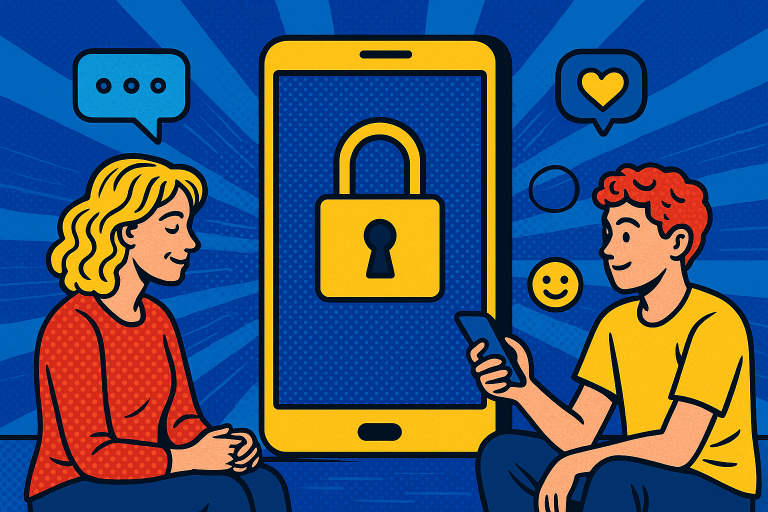
If you’re a parent raising teens in today’s digital world, you’ve probably faced the challenge of keeping up with anonymous apps—those platforms that allow users to communicate without revealing real identities. While some of these apps are designed harmlessly, others pose real dangers including cyberbullying, sextortion, and exposure to inappropriate content. So how can you tell which platforms are safe, and what steps can you take to protect your teen? That’s exactly what we’ll break down in this guide. Backed by recent data and grounded advice, here are ten essential tips to help you monitor, understand, and guide your teen through the tricky terrain of anonymous app registration and use.
1. Know the Most Popular Anonymous Apps Among Teens
Start by becoming familiar with the apps teens are using. According to a 2023 Pew Research Center study, over 40% of teens reported using at least one anonymous app weekly. The top five by usage were Whisper, Yik Yak, Sarahah, Tellonym, and LMK. These apps claim to promote “honest feedback” and anonymous conversations, but often turn into hubs for inappropriate behavior. Being aware of these platforms is your first line of defense.
2. Understand the Risks Beyond Cyberbullying
We often think of cyberbullying as the main risk with anonymous apps, but according to the National Center for Missing & Exploited Children (NCMEC), 1 in 7 teens online have received unsolicited, explicit content. Anonymous platforms can facilitate grooming, coordinated harassment campaigns, and data exploitation. The ability to hide behind anonymity creates a perceived lack of consequence for bad behavior, putting your teen at greater risk.
3. Use Data to Choose Safer Alternatives
If your teen is looking for social connections, consider directing them to safer alternatives. Platforms with verified identities and moderation policies like Discord (with safe communities), Snapchat (using private settings), or even group chats within monitored apps can be better choices. A University of Michigan study in 2022 noted that teens who used apps with identity verification were 68% less likely to engage in or experience harmful behavior online.
4. Check App Store Ratings and Parental Reviews
Before your teen downloads any app, look it up on app stores and parenting forums. Low ratings combined with keywords like “unsafe,” “bullying,” or “explicit” are major red flags. Common Sense Media, for example, provides detailed age-based safety reviews. According to their recent safety index, apps like Tellonym and Yik Yak received the lowest safety scores for teen use—below 2 out of 5.
5. Talk About Anonymous App Registration Practices
Anonymous app registration often bypasses parental controls because users don’t need to provide real names, email addresses, or phone numbers. Discuss this with your teen. Ask them why anonymity is appealing and explain the risks involved. Teach them to prioritize platforms that require some form of identity verification. According to the Digital Wellness Lab at Boston Children’s Hospital, teens educated about app registration security were 3x more likely to make safer online choices.
6. Set Rules Around App Downloads and Approvals
Implement family rules requiring teens to request permission before downloading apps. Use built-in parental controls like Apple’s Screen Time or Google Family Link to monitor and restrict access. A 2023 McAfee report found that families using parental control features saw a 52% reduction in anonymous app usage among teens under 16.
7. Keep the Conversation Going
Don’t let digital safety be a one-and-done talk. Instead, use consistent, open-ended conversations about your teen’s digital life. Ask what they’re seeing online, who they interact with, and how they feel about it. The Family Online Safety Institute found that ongoing digital conversations reduced risky online behaviors in teens by up to 47%.
8. Encourage Critical Thinking Before Posting
Teen brains are still developing, especially in areas concerning impulse and consequence. Encourage your child to pause before posting—even anonymously. Let them know that anonymity doesn’t make harmful content or actions acceptable. Studies published in the Journal of Adolescent Research show that teens who practiced reflective posting were 60% less likely to regret online interactions.
9. Monitor Without Spying
Surveillance breeds secrecy. Instead of spying, build a mutual agreement where you can “check-in” on your teen’s digital activity with their knowledge. This builds trust and accountability. Platforms like Bark and Qustodio offer transparent monitoring tools. According to a 2022 report by VIP Safety First, families that implemented mutual monitoring agreements reported higher levels of teen compliance and fewer incidents linked to anonymous apps.
10. Make a Family Digital Agreement
Formalize your expectations by creating a digital use contract. Outline rules around screen time, acceptable apps, and privacy. Include consequences and update it annually. Research from the American Academy of Pediatrics confirms that families with written agreements saw a 41% decrease in conflict over digital boundaries and safer online behaviors overall.
Bonus Tip: If your teen already uses an anonymous app, request to review it together. See the kinds of messages they’re sending and receiving. If harmful content appears, treat it as a conversation starter—not a reason for punishment unless necessary. This reinforces your role as a guide, not a warden.
Conclusion: Empower, Don’t Just Restrict
Digital literacy is no longer optional—it’s essential parenting. You can’t shield your teen from every anonymous app, but you can teach them critical skills to navigate these platforms wisely. Open dialogue, shared rules, and a clear understanding of anonymous app registration dangers are key. By combining data, tech tools, and emotional intelligence, you’ll not only protect your teen—you’ll prepare them.
Ready to take control of your family’s digital safety? Whether you’re looking to monitor, educate, or set boundaries, vipsafetyfirst.com provides resources, app safety reports, and tools to get you started.
Get started today and level up your parenting toolkit for the digital age.