
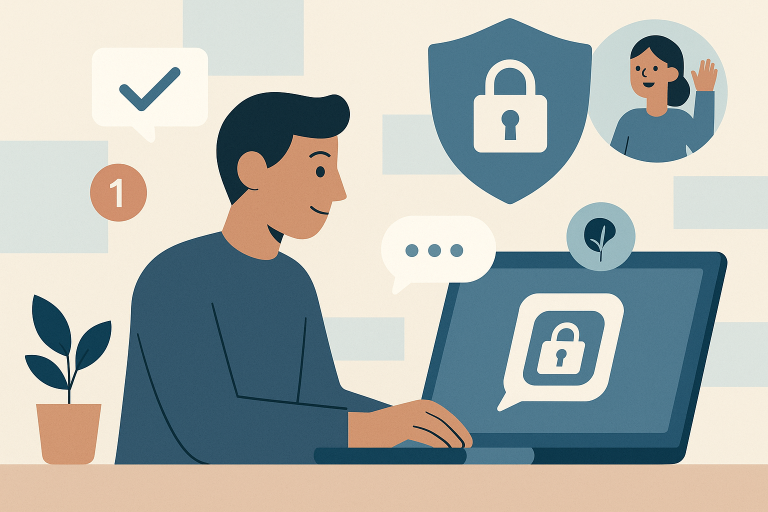
In today’s digital-first economy, online shopping has become a daily habit for millions around the world. However, behind the convenience of one-click purchases lies a growing challenge: identity protection online. Many consumers, eager for deals, risk exposing sensitive data. At VIP Safety First, we believe that awareness paired with practical tools is the key to safe digital experiences. Let’s explore a real-life example and a curated list of reliable resources to help every online shopper guard their identity with confidence.
The Wake-Up Call: A Real-Life Case Study
Consider the experience of “Lena,” an avid online shopper who frequently used multiple e-commerce platforms during holiday sales. Despite following general safety habits, she discovered unauthorized charges on her credit card and instances of “account takeover.” After investigating, she realized she had used the same password across several sites and often clicked on promotional emails without verifying their origin. What could have been a frustrating ordeal transformed into a learning journey when Lena decided to rebuild her digital safety habits.
Her recovery path demonstrates what every shopper can do: pinpoint weak spots, leverage trustworthy security tools, and make digital vigilance part of everyday life. Below, we break down the specific actions Lena took—and the resources that supported each step.
Step 1: Secure Password Management
First, Lena adopted a password manager that generates strong, unique passwords for every account. Randomized credentials drastically reduce the chances of credential stuffing attacks. Resources such as 1Password, LastPass, and Bitwarden provide encrypted storage and automatic login features for safer shopping.
Tip: Use two-factor authentication (2FA) wherever possible. Even if a password is compromised, this extra layer helps keep accounts secure.
Step 2: Monitor Identity Health
Lena signed up for digital identity monitoring services. Tools like Centrify MyID, Experian IdentityWorks, and Identity Guard alert users if their personal details appear in data breaches. Staying informed allows for fast responses, such as password changes or credit alerts, which can minimize long-term damage.
Step 3: Shop on Verified and Secure Platforms
After her incident, Lena became more discerning in selecting online stores. She looked for HTTPS security certificates in web addresses and avoided unfamiliar sellers lacking robust privacy policies. The Federal Trade Commission (FTC) provides updated guidance on identifying secure e-commerce sources. Resources like consumer.ftc.gov host valuable information about safe virtual marketplaces.
Step 4: Utilize Device Protection Tools
In addition to strong passwords, Lena fortified her devices with reputable antivirus and anti-malware tools. Regular system updates and firewalls enhanced her protection. Platforms such as Malwarebytes and Norton LifeLock combine real-time threat detection with identity monitoring capabilities. These integrated systems ensure that vulnerabilities are discovered before criminals exploit them.
Step 5: Learn and Stay Current on Security Best Practices
Ongoing education was crucial for Lena. Digital threats evolve rapidly, and awareness is half the battle. Reliable resources such as StaySafeOnline, US-CERT, and educational materials from VIP Safety First offer guidance on the latest trends, scams, and defense strategies for online shoppers. By integrating continuous learning, Lena turned her vulnerability into digital empowerment.
What We Can Learn From Lena’s Journey
Lena’s case shows that anyone can transform from an unaware target into an informed digital consumer with proactive strategies and trustworthy tools. It’s not about perfection—it’s about persistence and learning. Whether you shop occasionally or daily, adopting a layered safety approach can prevent data theft and sustain long-term confidence in your online activity.
At VIP Safety First, we advocate for building sustainable habits that protect your digital footprints while keeping your shopping experience joyful and worry-free. Remember, safeguarding your online identity isn’t a one-time task—it’s a continuous process of awareness and improvement.
Final Thoughts
Shopping safely online is simpler than it seems when you have the right resources and mindset. By applying the lessons from Lena’s case, you can transform ordinary habits into a secure routine that preserves your privacy and maximizes your peace of mind. Empower yourself today, explore the recommendations, and make your digital identity stronger than ever. Get started today at vipsafetyfirst.com and take the first step toward full identity protection online.