
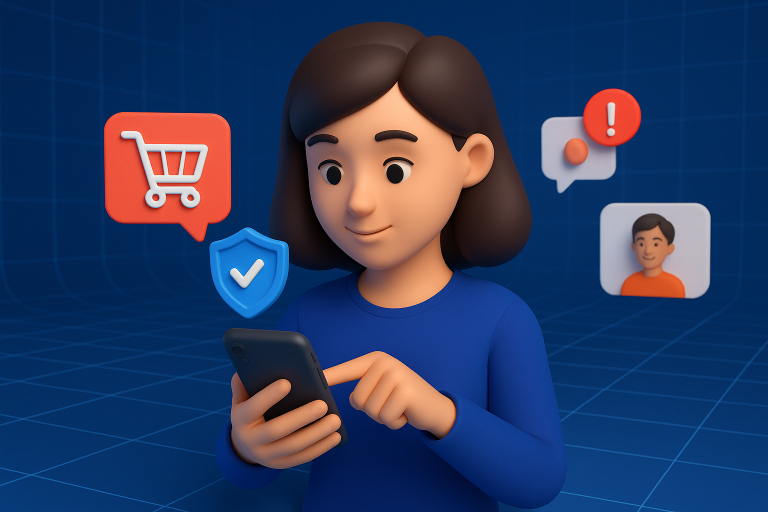
Not long ago, shopping online was like wandering through a busy digital market with a blindfold. Many of us clicked “buy now” trusting the web to protect our data, sometimes learning the hard way that it didn’t. Today, the digital landscape is more sophisticated, but also more complex. From phishing traps to counterfeit stores, the risks have evolved. At vipsafetyfirst.com, we’ve seen that safe online communication can make all the difference. This guide walks you through the transformation—the “before” and “after” of online shopping safety—so you can become a confident, secure digital buyer.
The “Before”: When Online Shopping Was Built on Assumptions
In the early days of e-commerce, most online shoppers relied on intuition. The excitement of convenience often outweighed concerns about security. Websites looked legitimate, checkout forms felt familiar, and it was easy to believe that everything behind the screen was secure. Unfortunately, many learned otherwise when the first waves of identity theft and data leaks made headlines. The absence of robust safety awareness led to financial losses and a deep mistrust in online transactions.
Back then, safety advice focused on “common sense.” Yet, without understanding digital scams or encryption, even careful shoppers could fall victim. This period taught an important lesson: trust online, but always verify.
The Turning Point: Awareness Meets Technology
Over time, technology caught up with the need for better protection. Two-step authentication, transaction monitoring, and secure checkout gateways became digital safeguards. However, it wasn’t the tools alone that changed online safety—it was communication. The rise of safe online communication practices created new habits: shoppers learned to question URLs, identify secure domains, and seek transparency in digital brands.
At this stage, the focus shifted from mere convenience to trust. Brands realized that safe communication didn’t just protect users—it built loyalty. When an e-commerce site clearly explained its data policies and provided visible safety cues like HTTPS certificates, encryption badges, and contact verification, users felt empowered rather than anxious.
The “After”: Today’s Smarter, Safer Online Shopper
Fast forward to today, and the digital marketplace looks dramatically different. Shoppers are savvier—and so are the cyber risks. Yet, safe online communication remains the defining line between risk and reassurance. The modern shopper understands that safety isn’t a passive condition but an active practice.
Here’s what this transformation looks like in practice:
- Before: Clicking on a link from an email promotion without second thoughts.
After: Checking the sender, verifying links, and only navigating through official sites. - Before: Saving credit card details for convenience.
After: Using digital wallets or virtual cards for added protection. - Before: Ignoring privacy policies as fine print.
After: Reading data use disclaimers and adjusting privacy settings.
This behavioral shift proves one thing: the safest shoppers are informed ones.
Tips to Stay Secure in Every Digital Transaction
Now that your awareness is heightened, how do you maintain safe online communication throughout your digital shopping journey? Below are five practical, analyst-backed tips:
- Verify Website Authenticity: Look for HTTPS, review contact details, and cross-reference seller names across reliable sources before making a purchase.
- Use Multi-Factor Authentication: Protect your accounts with security codes, not just passwords. This small step blocks most unauthorized attempts.
- Monitor Your Digital Footprint: Regularly review account statements and emails for unusual activity. Report suspicious interactions immediately.
- Learn to Recognize Phishing Attempts: Messages that create urgency or ask for personal details are red flags. Think first, click later.
- Choose Transparent Retailers: Trust companies that value communication, disclose their security measures, and provide responsive support.
Every tip here contributes to a safer online shopping experience, but together, they create peace of mind—the real currency of the digital world.
The Analyst’s Take: Safety as a Digital Lifestyle
From an analytical standpoint, digital safety has evolved from an optional feature to a cultural norm. Cybersecurity experts consistently highlight that consumer awareness is now as crucial as technological infrastructure. At vipsafetyfirst.com, we believe that understanding how safe online communication shapes behavior will define the next era of digital interaction.
When users and brands engage transparently, data protection becomes a shared responsibility rather than a hidden barrier. This new “after” state of online shopping empowers both sides, turning transactions into trusted digital conversations.
Conclusion: Your “After” Starts Now
The digital marketplace continues to grow—and so do its challenges. But by embracing safe online communication, you’re not just protecting yourself; you’re contributing to a safer web for everyone. Think of this shift as your “after” story: one where awareness, trust, and knowledge define every click. The journey to digital confidence starts with one decision—choosing safety first.
Get started today with safe habits, smarter tools, and a proactive mindset. Because in the ever-evolving digital world, safety isn’t yesterday’s concern—it’s tomorrow’s advantage.