
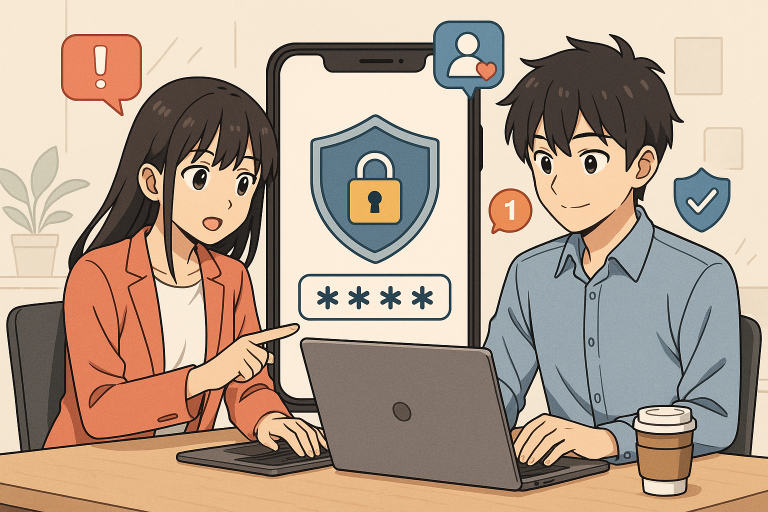
In the ever-evolving digital world, social media connects us in powerful ways—but at a cost. From fake profiles to privacy breaches, every social media user has encountered moments that made them question their safety online. Whether you’re active on dating apps, messaging platforms, or content networks, these challenges can compromise your digital wellbeing. But don’t worry—you’re not alone, and you’re not helpless. At vipsafetyfirst.com, we believe everyone deserves to feel safe online. Below, we explore the top seven safety challenges and equip you with clear, actionable solutions.
1. Revealing Too Much Too Soon: The Oversharing Trap
It’s natural to want to connect. But in the rush to build trust—perhaps with someone you met on a dating app or in a new online group—you might share personal info you wouldn’t usually give to a stranger on the street.
Why it’s risky: Full names, birthdates, addresses, and routines can be pieced together by online predators or used in identity theft.
Solution: Think twice before posting personal information. Use a private number for dating apps instead of your real one, and limit identifying details on your profile. Remember: real trust takes time, even in the digital world.
2. Falling for Fake Profiles and Catfishing
Have you ever chatted online with someone who seemed too good to be true—and turned out to be just that? Fake accounts plague every platform, often built to deceive, scam, or manipulate.
Why it’s risky: These profiles can lure you into emotional or financial traps, gathering your data or even blackmailing you.
Solution: Do a reverse image search on profile photos and look for inconsistencies in the person’s story. Protect yourself by never giving your real phone number—use a private number for dating apps to create a layer of separation.
3. The Unseen Danger of Phishing Links
“Click here to claim your prize!” “See who’s been looking at your profile!” We’ve all seen these links online—but have you ever been lured in by one?
Why it’s risky: Phishing links disguise malicious intent. Once you click, they can steal credentials or install malware on your device.
Solution: Never click unfamiliar links, even if they come from a “friend.” Learn how to spot URLs with subtle misspellings or odd endings. If in doubt, don’t click—report instead.
4. The Myth of Permanent Deletion
Think you’re safe because you deleted that post or message? Think again. In the digital age, nothing is ever truly gone.
Why it’s risky: Screenshots, backups, and data archives can preserve anything you once posted—permanently.
Solution: Post with permanence in mind. Would you be okay with this message reappearing in five years? If not, reevaluate posting it today. For more intimate conversations, again, use a private number for dating apps to manage your exposure.
5. Digital Impersonation and Stolen Identity
It’s fast and frightening—someone takes your photo, name, or bio to impersonate you online. The endless scroll suddenly feels unsafe.
Why it’s risky: Impersonation can damage your reputation, scam others in your name, or trap you in cyber drama you didn’t ask for.
Solution: Search for yourself regularly and report fake profiles immediately. Use privacy settings to protect your images and limit who can see your content. Avoid linking your primary contact number to profiles—rely on a private number for dating apps to keep control.
6. Lack of Multi-Factor Authentication (MFA)
Still using just a password to secure your accounts? You’re leaving the door half open to hackers.
Why it’s risky: Even a “strong” password can be cracked through leaks or phishing. Without MFA, your account could vanish—or worse, be used against your contacts.
Solution: Activate MFA on all platforms. It’s fast, free, and acts like a digital deadbolt. Better yet, avoid tying your main phone number to these security functions; instead, use a backup or private number to maintain separation.
7. Dating App Burnout and Emotional Exposure
You swipe, match, chat—and sometimes, regret. Digital romance is exhilarating, but can be overwhelming and emotionally draining.
Why it’s risky: Constant exposure without emotional boundaries can lead to anxiety, lowered self-esteem, and risky behavior.
Solution: Set limits on app usage. Schedule detox days. Talk openly with friends about your experience. Most importantly, maintain control over what you share—start with a private number for dating apps so you’re never forced to disconnect from your entire life if things don’t work out.
Conclusion: Reclaim Control in a Connected World
Your safety shouldn’t be negotiable just because you’re online. The digital world offers incredible opportunities to connect, explore, and grow—but only when approached with awareness and intention. Each challenge above is an opportunity to build stronger digital habits. By using tools like multi-factor authentication and protecting your identity using a private number for dating apps, you are setting boundaries that protect your privacy and peace of mind. Your digital self is worth protecting—every day.
Get started today by reviewing your online profiles and fortifying personal boundaries. For more practical insights and tools that put your safety first, visit vipsafetyfirst.com—where your privacy meets peace of mind.