
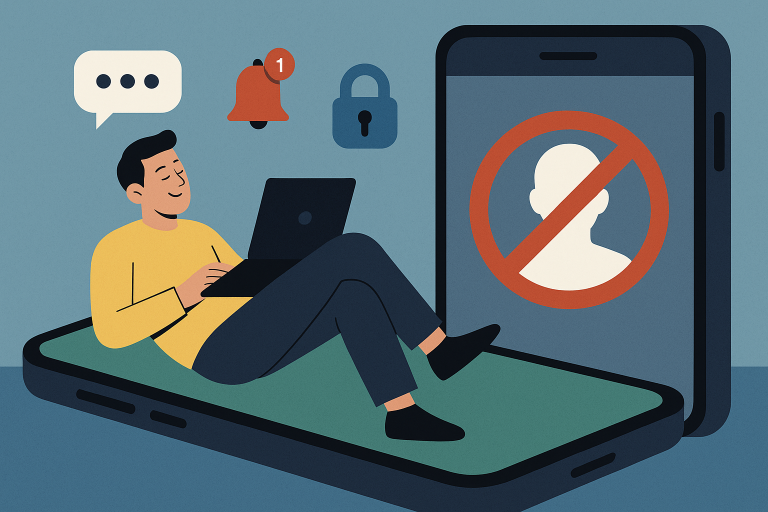
In today’s always-connected digital economy, freelancers and solopreneurs thrive by showcasing their talents, connecting with clients, and marketing services online. However, with this increased online presence comes unavoidable exposure. While many embrace tools and platforms to build their business, online privacy and safety myths often cause confusion—and in some cases, damage. At VIP Safety First, we’re here to make sure you see through those myths, protect yourself from threats like identity fraud and data harvesting, and, above all, feel confident every time you log on. Let’s explore a real-life case study and use it to debunk some of the most dangerous misconceptions impacting digital professionals.
Case Study: Ava, a Freelance UX Designer Battling Burnout… and Bots
Ava is a successful freelance UX designer based in Seattle. Working with tech startups and digital agencies remotely, she built a thriving solo business over the course of five years. Like many solopreneurs, Ava wore every hat—creative, salesperson, client manager, and marketer. Early in her career, growing visibility online was crucial. She listed her portfolio, phone number, and email address publicly on freelance platforms, directories, and social media to attract clients fast. It worked. But the success came with a hidden cost.
Without realizing it, Ava had exposed her personal contact information across dozens of online databases and third-party aggregators. She started getting spam calls and texts daily. Her professional inbox overflowed with phishing attempts disguised as client job offers. Worse, a scammer spoofed her freelance identity to solicit payments from unsuspecting businesses. Ava spent valuable client time cleaning up her online footprint, securing her digital accounts, and rebuilding her professional reputation. It took months—and an emotional toll. Ava’s story is not unique, but the myths that got her there still persist.
Myth #1: “Listing My Real Phone Number Makes Me Look More Professional”
Many freelancers and solopreneurs assume that listing a personal phone number helps build trust with clients. The truth? While accessibility can be important, there are safer ways to be professional. Using your personal number exposes you to robocalls, scams, and number scraping by bots that harvest data from public sites. Once that number is out there, it’s extremely difficult to scrub it completely.
Empowering Insight: Masks and secondary numbers are your allies. Services like VOIP apps or business texting platforms protect your identity while delivering seamless communication. Need to stop spam calls and texts? Start by separating your professional contact from your private one.
Myth #2: “If I Don’t Share Sensitive Info, I’m Safe”
This myth sounds logical—but it’s misleading. Scammers today don’t need your Social Security number to cause harm. Publicly available info like your name, email, location, and client list is enough for social engineering schemes, identity mimicry, and fake profiles. Ava learned this the hard way when someone impersonated her using only images from her online portfolio and her name.
You don’t have to overshare to be vulnerable. Every data point matters.
Empowering Insight: Even basic details can generate a digital breadcrumb trail. Use business aliases, hide your email from public HTML, and manage your privacy settings ruthlessly. VIP Safety First offers guides, tools, and curated services to help you regain control over what’s visible—and what’s not.
Myth #3: “All Publicity Is Good Publicity—The More Profiles, the Better”
It’s tempting to create accounts on every freelance platform, directory, and social channel. Visibility equals opportunity, right? Unfortunately, the cost of fragmented online presence is real. Each new profile is another place where your data can be misused, breached, or forgotten. Ava had profiles she hadn’t updated in years on sites that were later compromised—places where her info still lingered, unmanaged and vulnerable.
Empowering Insight: A strategic presence beats a scattered one. Maintain profiles you can regularly update and monitor. Deactivate or request deletion for inactive accounts. And most importantly, audit your digital footprint regularly. VIP Safety First helps you take inventory of where your information lives and provides tools to clean up and protect those touchpoints—with you in the driver’s seat.
Myth #4: “Data Breaches Only Happen to Big Companies”
This is an especially dangerous myth among solopreneurs. Freelancers often believe they’re under the radar, but they are often easier targets for cybercriminals. Why? Because large companies have dedicates teams for cybersecurity. Solopreneurs and freelancers rarely do. Ava’s invoice platform—widely used by small businesses—was breached, and scammers used customer data to send fake bills that appeared legitimate.
Empowering Insight: Basic digital hygiene is not optional. Enable two-factor authentication, use encrypted file-sharing tools, and never reuse passwords. VIP Safety First offers resources built specifically for solopreneurs who need streamlined, practical security safeguards without an IT department.
Myth #5: “Identity Theft Can’t Happen to My Freelance Business”
Ava’s name and client success stories were featured in blog posts, online case studies, and pinned social content. A scammer copied this information and created fake job listings under her name, collecting deposits from victims. While her bank accounts weren’t compromised, her brand was—core to any freelancer’s business.
Too often, we think identity theft is limited to financial harm—credit cards or bank accounts. But for solopreneurs, your identity is your brand. Protecting it means safeguarding everything tied to your reputation: logo, portfolio, contact info, and testimonials.
Empowering Insight: Register your unique domain. Watermark your published work. Monitor web mentions of your brand routinely. Tools offered by VIP Safety First can automate monitoring and alert you to misuse of your brand data—giving you time to act before harm is done.
Real Results: What Ava Did (and What You Can Do)
After months of frustration, Ava took control of her online presence and reached out to VIP Safety First. We worked with her to assess which sites housed her information, swept for compromised data, implemented contact shields, and replaced vulnerable accounts. She migrated her communications to a secure business platform and now uses virtual numbers to stop spam calls and texts without missing real leads.
The result? A safer, quieter digital workday. Clients reach her through secure channels. She sleeps better knowing her portfolio is protected. And most importantly, her energy is back—focused on creativity, not crisis management.
Empowered Action Starts Here
Online privacy isn’t about hiding—it’s about being in control. As a freelancer or solopreneur, your online presence is a business asset. Treat it like one. The myths we’ve explored here are built on outdated thinking from a time before spam bots, social engineering, and impersonation scams were rampant. That time is gone—and your strategy needs to evolve.
You deserve to be visible without being vulnerable. You deserve to share your passion without sharing your personal life. And VIP Safety First is here to guide you, one smart step at a time.
Get started today with a digital footprint assessment or explore tools that stop spam calls and texts, shield your identity, and future-proof your freelance brand. Because when you protect your digital world, you protect your real one too.