
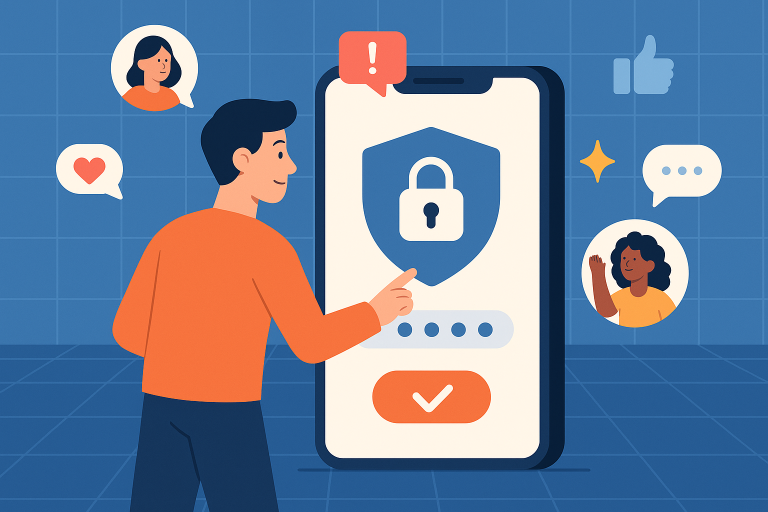
In the age of connectivity, online dating has become one of the most popular ways to meet new people. Yet as digital interactions grow, so do the risks—identity theft, data leaks, catfishing, and emotional scams are just a few of the hazards lurking behind a well-crafted profile. At vipsafetyfirst.com, we explore how real people navigate this new social frontier and what every online dater can learn from their experiences. This article dives deep into a real-life case study and offers hard-earned lessons supported by digital industry insights, with a focus on secure messaging protection and practical steps that anyone can follow to avoid falling victim to online dating frauds.
The Rise of Digital Romance and Its Hidden Risks
Online dating today is more sophisticated, more accessible, and more complex than ever before. From apps that promise love through algorithmic matches to AI-assisted chat conversations, users are revealing increasingly personal data on platforms that are not always built to protect them. The digital industry continues to push innovation, but with every advance, new vulnerabilities appear. Cybercriminals target human emotion—trust, affection, and vulnerability—to exploit personal information and finances. The emotional nature of dating makes the online sphere a prime hunting ground for scammers.
A Case Study: When Digital Trust Turned Dangerous
Consider the case of “Elena”—a freelance graphic designer who began chatting with “Mark,” a tech consultant she met through a well-known dating app. Their conversations quickly moved off the platform to a more personal channel: direct messaging. At first, Mark seemed genuine—he shared photos, stories, even career advice. But over time, subtle red flags appeared.
Mark often avoided video calls, citing poor connections when asked to chat face-to-face. His social media presence was oddly curated, with just a handful of professionally edited pictures. As their connection deepened, Mark suggested using a third-party app for “more secure” chatting. Elena agreed, unaware that the link he sent contained malware designed to capture her login credentials.
Within days, her professional email account was compromised, leading to lost client data and reputation damage. What began as emotional manipulation escalated into a digital security breach. Elena’s story underscores how easy it is for online daters to mistake emotional intimacy for genuine trust—and how attackers use this confusion to bypass even the most well-intentioned safety practices.
Lessons from the Case: What Went Wrong
Elena’s experience is not unique. In the world of digital interaction, scams that blend psychological manipulation with technical deception are on the rise. Her key mistakes included:
- Moving communication off-platform too soon. Most dating apps include some form of secure messaging protection. When users switch to unverified third-party apps, they lose this shield.
- Ignoring inconsistencies in online profiles. Red flags such as limited online presence, overly polished photos, or inconsistent details should always trigger skepticism.
- Clicking unknown links or downloading files. Many scammers rely on users letting their guard down emotionally before introducing malicious technology.
- Assuming emotional connection equals digital safety. Emotional trust should never override basic cyber hygiene. Confidence in a person’s intentions is not a substitute for verifying their identity.
Understanding the Digital Threat Landscape
The online dating industry now overlaps heavily with cybersecurity. According to recent studies, social engineering accounts for nearly 70% of breaches in personal communication networks. Attackers target individuals directly, using believable pretexts that exploit emotional judgment rather than technical vulnerabilities.
From the digital industry’s standpoint, online daters form part of a larger ecosystem where personal privacy interfaces with platform responsibility. Apps that integrate secure messaging protection algorithms reduce risk, but even then, the user’s behavior remains the determining factor in safety. Education, awareness, and consistent digital hygiene play crucial roles.
How to Practice Safer Online Dating
Online dating safety begins with a mindset: treat digital interactions as public until proven otherwise. Here’s a step-by-step practical guide that reflects the grounded reality of digital engagement.
1. Verify Identities Early
Before investing emotionally, confirm that the other person exists in verifiable ways. Perform a reverse image search of their photos, review their social presence, and ask for short video calls. If they consistently avoid live communication, proceed with caution.
2. Keep Conversations on Trusted Platforms
Many dating platforms include built-in encryption and moderation teams dedicated to user safety. Staying within these systems allows for tracking and support in the event of suspicious behavior. Moving off-platform too soon forfeits the app’s built-in secure messaging protection features.
3. Avoid Sharing Sensitive Information
Never share addresses, workplaces, or personal documents. Fraudsters frequently piece together seemingly harmless details—like favorite cafés or relatives’ names—to create more convincing narratives for impersonation or identity theft.
4. Guard Against Emotional Manipulation
Scammers rely heavily on emotion-driven decisions. Be alert to early declarations of love or attempts to isolate you from friends and family. Slow communication down and verify facts independently.
5. Use Dedicated Email Accounts and Strong Passwords
Set up a separate email account for dating activity and use unique passwords. Enable two-factor authentication for any app that supports it, especially those that engage with private messaging or payment features.
6. Stay Updated on Digital Threats
Follow trustworthy cybersecurity channels and platforms like vipsafetyfirst.com, which provide ongoing information about emerging scams and protective tools. Awareness remains one of the most effective shields against online fraud.
Building Emotional and Digital Resilience
Part of practicing safety online is acknowledging the psychological elements at play. Loneliness and desire can cloud rational judgment, leading to missed warning signs. Encourage transparency among friends—sharing digital dating experiences can prevent isolation and provide external perspectives. It’s important to realize that the online space mirrors real-life complexity: genuine connections do happen, but so do manipulations.
The Role of Technology Providers
Digital industry leaders are increasingly aware of their role in safeguarding users. From end-to-end encryption enhancements to AI-based threat detection, technology now supports users in maintaining safer online identities. However, responsible user behavior remains critical. Even the most advanced secure messaging protection systems cannot prevent humans from clicking malicious links or volunteering sensitive information under emotional pressure.
Turning Awareness into Action
When users integrate mindfulness into their digital interactions, the online dating environment becomes safer for everyone. Communities that actively report suspicious activity improve detection algorithms and help platforms update safety features. Being proactive is not pessimistic—it’s realistic and ultimately empowering.
Conclusion: Safety Is Not About Fear, It’s About Control
The digital landscape of romance will continue to evolve. New technologies will shape how we connect, communicate, and commit. But safety remains a constant factor in that evolution. Real-world cases like Elena’s remind us that the greatest vulnerabilities come when emotions override vigilance. By maintaining balanced awareness, embracing secure messaging protection, and following best practices outlined above, online daters can enjoy connection without compromising safety.
Take charge of your digital life—protect your personal information, trust your instincts, and make informed decisions. Visit vipsafetyfirst.com today to learn more and get started today on your journey toward safer online dating.