
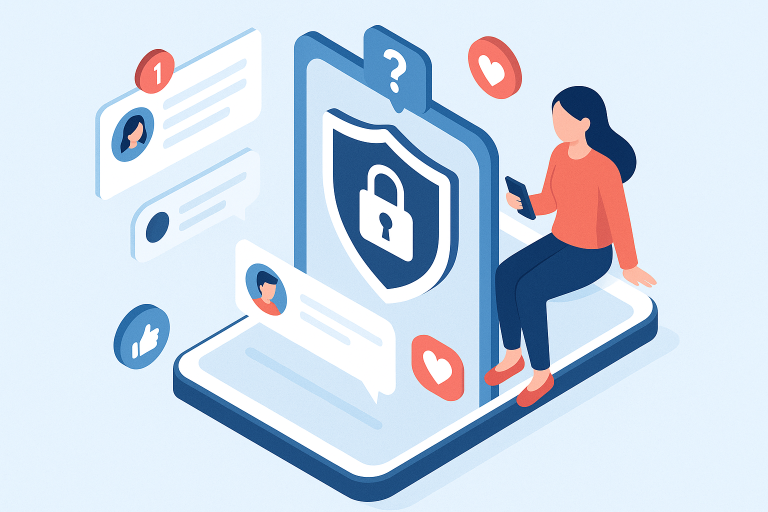
Online dating has opened up countless opportunities for connection, but it also comes with risks—especially when it comes to protecting your personal information. As an active participant in digital dating, I’ve had my share of ups and downs. Through trial, error, and eventually educated vigilance, I learned how to stay safe without sacrificing the experience. In this post, I’ll share my story and insights in a frequently asked questions (FAQ) format, so you can not only date smarter but also safeguard your identity online. Welcome to your VIP Safety First guide to identity protection online.
Why is identity protection so important when online dating?
If you’re using dating apps or websites, you’re likely sharing more than you realize: photos, interests, work info, and even partial locations. A clever scammer can use those pieces to build a profile about you, leading to anything from catfishing to identity theft. I learned this the hard way when a profile that seemed genuine turned out to be using reverse image search to build trust—then asked for money citing an emergency. Thankfully, I paused and reported before things escalated. That experience is why identity protection online is now my top dating tip.
How can I spot a fake dating profile?
Great question. Here are the red flags I now always watch out for:
- Too polished photos: If they look like stock images or modeling portfolios, reverse image search them.
- Fast declarations of love: If after two conversations they’re calling you “baby,” run.
- Unusual personal stories: Overseas contractors or widowed doctors are common scam identities.
- Reluctance to meet or video chat: Real people want a real connection; scammers avoid face time.
Trust your gut. I ignored mine for years until one date left me feeling uneasy—and later turned out to be using borrowed photos from a totally different person.
What information should I avoid sharing online?
This was a game-changer for me. Early on, I’d casually drop details like where I worked, my local gym, even my dog’s name (which—surprise—is also an answer to several account security questions). Now I keep my sharing strategic:
- No full name until after several chats and a real meeting
- No address or even neighborhood specifics
- Workplace details: keep it general, like “I work in marketing”
- Avoid connecting Instagram or Facebook to dating profiles
It’s tempting to overshare to establish trust, but controlling your digital footprint is key to identity protection online.
Is it okay to use dating apps connected to my social media?
From my personal experience, it’s not the best idea. I used to link Instagram to my profiles—it made me seem more ‘real’. But it also gave strangers access to years’ worth of content: locations, friends, pets, and my lifestyle. With that info, a scammer could easily tailor their messages to mimic my interests. Today, I recommend using standalone profiles with unique photos not used elsewhere. Treat your dating profile like a spotlight—not a journal.
What tools or services helped protect my privacy?
Once I got serious about digital safety, I started using tools that made a real difference for protecting my identity while dating:
- Virtual phone number services: Keep your real number private until trust is earned.
- Email aliases: Use a non-personal email for sign-ups and communication.
- Background check apps (within legal parameters): I did run one on someone who had lied about past marriages. Saved me embarrassment—and potential danger.
- Password managers: Unique, strong passwords for every dating account to prevent credential leaks.
- VPN for app use and communication: Protects your location and connection from would-be cyber intruders.
VIP Safety First is a great hub to explore tools like these—and learn how they integrate into everyday safety habits.
How did you safely move from online to in-person meetings?
This one’s important. The transition from chat to real life comes with several safety checkpoints:
- Video call first: Always have at least one video conversation before setting a physical meeting.
- Public spots only: My motto is coffee first, cocktails later. Daylight meetings in public keep things low-pressure and safer.
- Share your plan: I loop in a friend or sibling with all the details: time, place, and even a screenshot of the person’s profile.
- Transportation control: I always use my own ride—no pickups from dates early on.
This doesn’t kill the romance—it sets healthy boundaries. When I met someone respectful of these practices, it actually increased our mutual trust.
What should I do if I feel unsafe or suspect deceit?
Always act sooner than later. I once spent three weeks texting and calling someone who turned out to be using a fake name and job title. Here’s how to react:
- Block and report: All reputable apps have this function—use it generously when needed.
- Gather evidence: Save screenshots or suspicious messages. You never know when you might need to show proof or alert others.
- Alert the platform: It protects not just you but the entire user base.
- Check your financial accounts: If you shared payment info (hopefully you didn’t), alert your bank immediately.
- Review your privacy settings: Double-check if any connected accounts or apps need lockdown.
Reacting with speed and calm helped me cut ties before personal damage occurred.
Can you have a successful dating life while still protecting your identity?
Absolutely. In fact, I’d argue that once I learned to date safely, I enjoyed it a lot more. I was no longer distracted by suspicions or red flags. I knew my boundaries. The level of confidence that identity protection online provides translates directly into a better experience. The person I’m seeing now? They appreciated my caution and mirrored it with their own boundaries. Mutual respect is a great basis for trust, and ultimately, that’s what online dating is all about.
Final words: What’s your number one piece of advice?
Protecting your identity must be your first priority in online dating. The risks of blending too much personal info into such an open space are real. But with the right mindset and simple habits, you can enjoy the process and meet amazing people safely. Learn from the stumbles I had—and skip the dangerous parts.
For personalized guidance and additional resources, turn to VIP Safety First. Don’t wait for a warning sign to upgrade your safety habits—take ownership of your online presence now.
Ready to feel safer while dating online? Get started today with tips, tools, and guidance at vipsafetyfirst.com.