
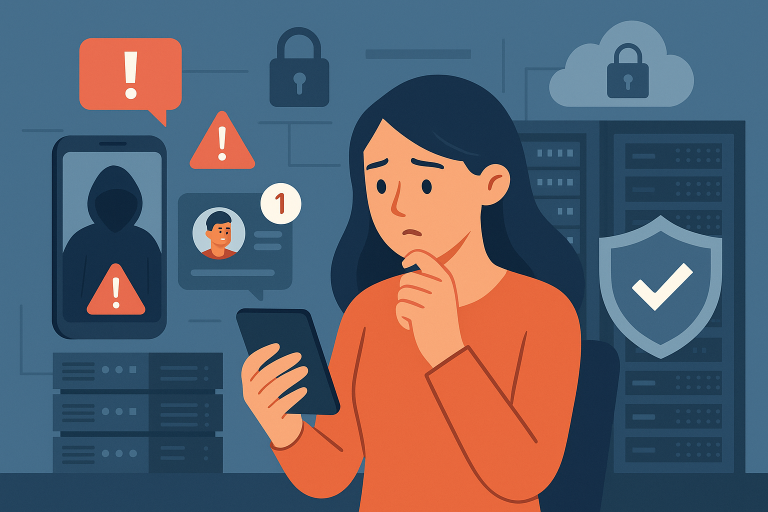
In today’s hyper-connected world, online dating offers people exciting new ways to form meaningful relationships—but it also requires a heightened awareness of digital risks. For women especially, navigating the online dating landscape comes with unique challenges involving cyber privacy, data security, and personal safety. This case study explores one woman’s journey from falling victim to common online dating pitfalls to becoming a safety-savvy digital dater. Along the way, we’ll unpack practical cyber privacy tips that anyone can apply for safer virtual relationships.
Case Study Introduction: Meet Amanda
Amanda, a 32-year-old marketing executive, turned to online dating apps during the pandemic. With a demanding job and limited social opportunities, she thought apps like Match, Bumble, and Hinge would be a smart way to meet someone serious. Unfortunately, Amanda learned the hard way how online dating can compromise privacy and put personal information—and emotional well-being—at risk.
Before: Amanda’s Online Dating Mistakes
Like many first-time digital daters, Amanda dove in without fully understanding the importance of online privacy. Here’s what went wrong:
- Using Identifiable Information: Amanda’s profile included her full name and workplace, making it easy for someone to Google her and learn personal details.
- Sharing Too Much Too Soon: After chatting with a charismatic match for only three days, she sent him a selfie at work showing the company logo in the background.
- Reusing Passwords on Dating Apps: Amanda signed up for multiple platforms using the same weak password she used for other sites.
- Clicking Suspicious Links: One match sent her a “funny quiz” link. Amanda clicked it without checking the URL, unknowingly compromising her phone’s security.
- Skipping App Privacy Settings: She never adjusted the default settings on her apps, thereby exposing her location and online status to strangers.
Within weeks, Amanda noticed strange login attempts to her social media, and in one alarming case, a “match” she had blocked managed to find and message her on LinkedIn.
The Turning Point: Realizing the Risks
“That LinkedIn message was the moment I realized I had to take back control,” Amanda confides. Learning her digital trail could be followed by strangers shook her confidence—but it also motivated her to become educated and proactive.
She turned to resources like VIP Safety First, where she found safety-focused content specifically designed for women in the digital dating world. Armed with practical knowledge, Amanda created a new approach.
After: Amanda’s New Privacy-Conscious Dating Strategy
Once Amanda learned what NOT to do, she was able to build a strong foundation for safer online interactions. Her new method included:
- Creating a Smart Profile: She removed any workspace references, avoided last names, and used a unique photo not found on any other social profile to prevent reverse image searches.
- Using Platform Messaging Only: Amanda kept conversations within the dating app until she felt confident in someone’s intent and behavior. She avoided giving out her phone number too quickly.
- Enabling Two-Factor Authentication (2FA): She updated her accounts with stronger passwords, used password managers, and enabled 2FA where possible.
- Running a Background Check: Before meeting anyone in person, Amanda used public data tools to cross-check a match’s name and verify identity.
- Adjusting Privacy Settings: She customized the privacy settings on her apps and phone to block location tracking, disable read receipts, and hide online status from non-matches.
Practical Cyber Privacy Tips from Amanda’s Experience
Amanda’s journey is a valuable lesson in vigilance. Here are her top cyber privacy tips for women navigating digital dating platforms:
- Use a separate email for dating apps to keep your primary communication channels secure.
- Google your own profile to see what information is publicly visible and adjust accordingly.
- Don’t reuse passwords. Use a password manager to create unique, complex passwords for each account.
- Think before you share photos. Images can contain metadata or visible details that give away your location or workplace.
- Be cautious of flattery and urgency, which are common tactics in romance scams.
The Results: Dating With Confidence
Because Amanda took control of her digital footprint, her experiences with online dating improved dramatically. She felt more empowered, peaceful, and able to focus on what really mattered—forming real connections. Eventually, Amanda met her current partner, and both now advocate for digital safety among their peers.
“I stopped feeling paranoid and started feeling powerful,” Amanda says. “I wish I had learned sooner how protecting my privacy online could also protect my heart.”
Conclusion: Empowerment Through Knowledge
Amanda’s story is a testament to how awareness, education, and action can transform online dating from a risky gamble into a safe and rewarding experience. Women deserve to feel confident in their digital interactions without sacrificing their privacy or security.
Whether you’re new to online dating or have years of experience, it’s never too late to adopt better safety habits. Get started today by visiting vipsafetyfirst.com for free resources, detailed guides, and practical cyber privacy tips tailored just for you.