
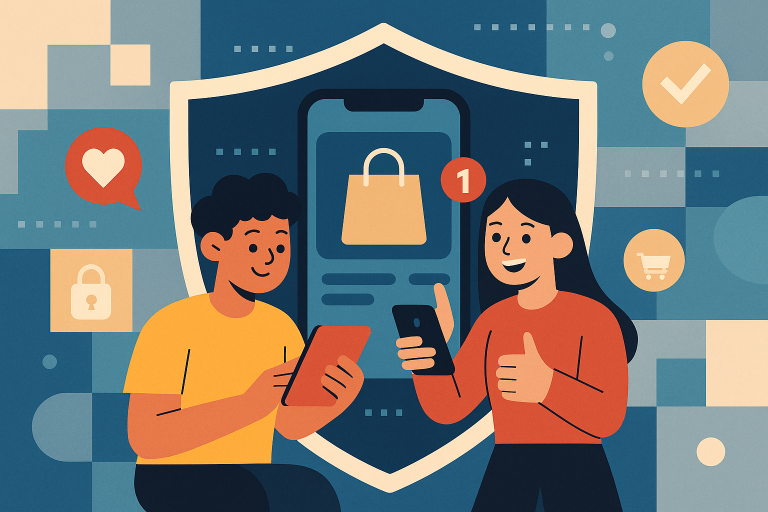
Online shopping has become a go-to for convenience, variety, and sometimes even better prices. But behind the cart icons and discount codes lies an ever-evolving landscape of digital risks. If you’re new to online shopping or just want to make sure you’re doing it right, we’ve got your back. At vipsafetyfirst.com, we believe everyone deserves a safe digital experience. Let’s walk through the essential steps to protect yourself while enjoying the perks of e-commerce.
Understand the Basics of Digital Safety
Before diving into your cart wishlist, it’s crucial to understand what online threats look like. Phishing scams, malicious websites, and fake retailers are just a few traps that can catch even seasoned shoppers off guard.
Start by using secure internet connections—stick to your home Wi-Fi and avoid logging into shopping sites through public networks. Make sure your device’s operating system and antivirus software are up to date. These basics form the foundation of all digital safety solutions.
Shop from Trusted Retailers Only
One of the smartest moves you can make is sticking with well-known retailers. Big names prioritize consumer protection and have systems in place to deal with fraud. If you’re exploring a new or smaller website, do your research first—check reviews, look for a physical address, and confirm return policies.
Legitimate e-commerce sites usually start with “https” in the URL—where the “s” stands for secure. If it’s missing or you notice any unusual spelling errors in the domain name, proceed with caution or steer clear entirely.
Use Strong, Unique Passwords
This one’s non-negotiable. A weak or reused password is like leaving your front door unlocked. For each shopping site or app, use a unique password that includes letters, numbers, and special characters.
If remembering them all feels overwhelming, consider a reputable password manager. It stores encrypted passwords and even suggests strong ones for you—key tools in your arsenal of digital safety solutions.
Enable Two-Factor Authentication (2FA)
Many retailers offer 2FA as a security option, and enabling it adds a powerful layer of protection. With 2FA, even if someone gets your password, they still won’t be able to log in without the second verification code sent to your device.
It’s quick to set up and pays off by giving you peace of mind every time you hit “Place Order.”
Be Smart About Payment Methods
Credit cards are generally safer than debit cards for online transactions, as they often offer better fraud protection. Services like PayPal, Apple Pay, or Google Pay also provide a buffer between your bank and the retailer, adding extra safety.
Never submit payment through wire transfers or cash app services to unknown sellers. These forms of payment are often untraceable and impossible to recover in fraud cases.
Watch Out for Too-Good-To-Be-True Deals
If a price seems impossibly low, it might be a red flag. Scammers bait bargain-hunters with irresistible deals, only to deliver counterfeit items—or nothing at all.
Always double-check product descriptions, reviews, and seller credentials. Remember: if something feels off, trust your gut and move on.
Regularly Monitor Your Accounts and Transactions
After your purchases are made, your job isn’t done. It’s good practice to periodically review your bank statements and email accounts linked with shopping. Watch for unfamiliar charges or account activity.
Some digital safety tools even send real-time alerts for suspicious behavior—giving you an early heads-up before issues spiral.
Conclusion: A safe shopper is an informed one. With the right steps, you can explore the digital marketplace with confidence and joy. Whether you’re gifting a friend or treating yourself, staying aware and proactive is key to protecting your information and your hard-earned money. At vipsafetyfirst.com, we’re here to empower you with trustworthy digital safety solutions every step of the way.
Get started today—take charge of your online shopping experience and make safety your first click.