
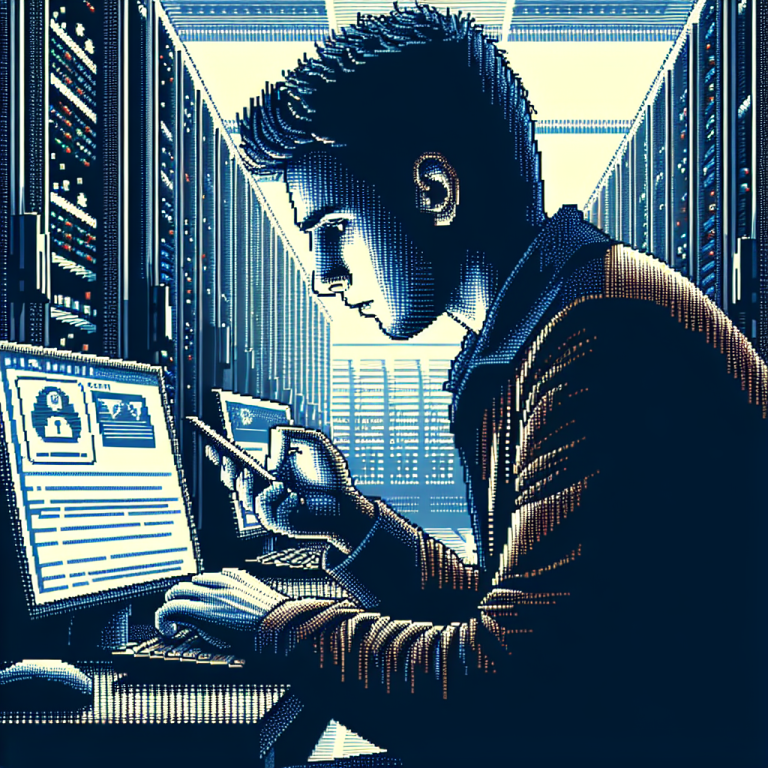
When I left my corporate job in Seattle to chase the freedom of being a digital nomad, I thought I had it all figured out—Wi-Fi passwords in cafes, VPNs for public networks, and enough cloud storage to run a mini tech empire. What I didn’t expect was waking up in a Lisbon Airbnb to find my bank account frozen, my social media hacked, and my digital business on pause—all because I overlooked one critical aspect: identity protection online.
The Wake-Up Call: My Digital Dream Turned Nightmare
It started with a routine morning—coffee in hand, laptop open, inbox cluttered. Then I noticed something odd: password reset emails from platforms I hadn’t touched in weeks. Shrugging it off as spam, I moved on. Within hours, I was locked out of my banking app and my primary email account. Chaos followed. Clients couldn’t reach me. Deposits were rerouted. My revenue stopped flowing, and I was stranded financially in a foreign country.
Reality hit hard: I had become a victim of digital identity theft.
Lesson #1: Never Rely on Just a Password
My first mistake? Using the same password for multiple accounts—and skipping two-factor authentication (2FA) because it felt like a hassle. Hackers cracked one login and gained access to half of my digital life. The fix is simple but powerful: diversify your passwords and enable 2FA across all accounts, especially email, cloud storage, social channels, and banking tools.
Lesson #2: Public Wi-Fi is a Playground for Hackers
I frequently worked from co-working spaces and cozy cafés, and often forgot to connect to my VPN. A single unsecured session is all it takes to unlock your data for cyber-criminals. Now, I never go online without a trusted VPN that encrypts my information. If it’s not encrypted, it’s exposed.
Lesson #3: Keep Digital Copies of Vital Docs—Securely
When my passport was linked to my digital accounts, even government IDs became vulnerable. I had uploaded scans of my passport and driver’s license to my cloud drive—for convenience. Convenience, it turns out, makes hackers’ jobs easier. Use encrypted cloud services or dedicated secure vaults, and never store sensitive info in open folders.
Lesson #4: Monitor Your Digital Footprint Weekly
After the breach, I set up alerts for login attempts and changes to my online identity profiles. There are many free tools that notify you if your data appears on the dark web or in a breach. Check for these weekly. The earlier you detect a threat, the faster you can stop the damage.
Lesson #5: Identity Protection Isn’t Just Tech—It’s Behavior
Most importantly, this experience taught me that identity protection online is not a one-time setup—it’s a lifestyle. Don’t overshare travel plans on social media. Don’t click unknown links, even from “friends.” Question every email—even if it comes from your bank. Be digitally paranoid, because it might just save your livelihood.
Rebuilding: The Road Back to Safety
It took weeks to restore access to my accounts and months to regain the trust of my clients. But I emerged more aware, more secure, and more intentional. My experience isn’t unique—but it’s preventable. Digital nomads are especially vulnerable because we rely entirely on the internet to live, earn, and explore.
That’s why I became a passionate advocate for digital safety—and why I now work with vipsafetyfirst.com to help other nomads protect their most valuable asset: identity.
Are you ready to secure your digital life? Don’t wait for a crisis to realize the importance of identity protection online. Learn from my mistakes. Get started today and take control of your cyber-safety—before it takes control of you.