
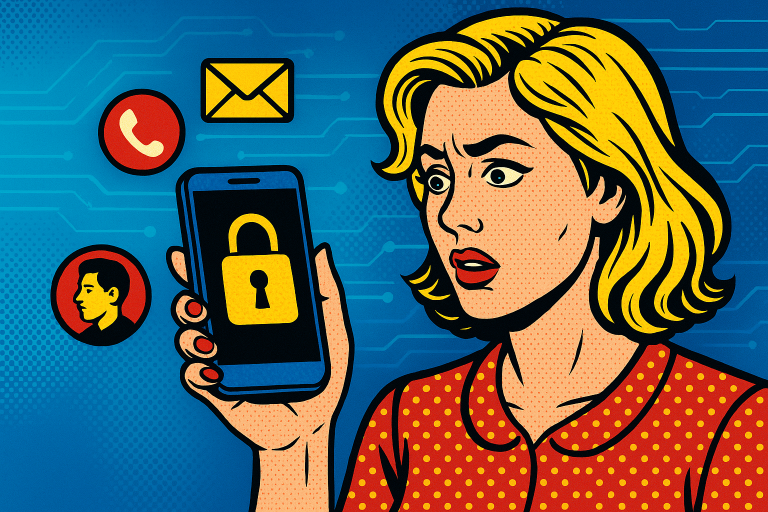
In a world where your phone number can be sold in milliseconds and data breaches make headlines weekly, safeguarding your digital privacy is more important than ever. Yet, many privacy-conscious consumers—especially women navigating the digital space—find themselves overwhelmed by misinformation. At vipsafetyfirst.com, we believe that understanding the fundamentals is the first step in taking back control. That starts with busting some of the most persistent myths about online privacy so you can confidently stop spam calls and texts and take charge of your digital identity.
1. Myth: “I’m Not Important Enough to Be Targeted”
One of the most common misconceptions privacy-conscious women fall into is thinking they’re not targets simply because they’re not celebrities or high-profile professionals. The reality? Every digital user is a potential goldmine of personal data. Spam callers and data brokers don’t discriminate—they operate in volume, and every phone number or email they collect improves their bottom line.
What to do: Be proactive by limiting what personal information you share online and monitor how that information is being used. Tools from vipsafetyfirst.com can help you identify and cut off sources of unwanted communications.
2. Myth: “Incognito Mode Means I’m Invisible”
While incognito or private browsing can help you avoid saving history or cookies locally, it does not shield you from surveillance by your ISP, advertisers, or websites. Many users misunderstand this feature, believing they’re anonymous online when the reality is far from it.
What to do: Use a combination of privacy-focused browsers (like Brave or Firefox), a reliable VPN, and tracker blockers to truly minimize digital footprints.
3. Myth: “Robocalls Are Just a Nuisance—Not a Threat”
Spam calls are more than just annoying distractions—they’re often phishing attacks in disguise, aiming to manipulate you into giving out personal information or money. Even if you hang up right away, these calls signal to scammers that your number is active, which can increase the frequency of attacks.
What to do: Implement call filtering and spam-detection apps, and more importantly, register your number on national Do Not Call lists. Our resources make it simple to stop spam calls and texts before they start.
4. Myth: “My Apps Are Safe Because They’re from an Official Store”
Just because an app is available from the Apple App Store or Google Play doesn’t mean it’s safe. Many widely-used apps request excessive permissions—like access to your microphone, contacts, or even your SMS text messages—often for purposes unrelated to their core functions.
What to do: Regularly audit your mobile apps. Go to your settings and disable permissions that don’t make sense. Only download apps from developers with established privacy protocols. Our step-by-step privacy checklists can help you get started.
5. Myth: “I Already Have Antivirus, So I’m Protected”
Traditional antivirus software guards against malicious code—it doesn’t prevent data harvesting, stop location tracking, or filter out spam communication. Today’s digital threats go beyond malware, into realms like identity theft, geofencing, and social engineering attacks.
What to do: Expand your approach from device protection to full-spectrum digital defense. That includes using trusted anti-spam tools, encrypted messaging apps, and digital footprint monitors—cornerstones of the VIP Safety First strategy.
6. Myth: “If I Don’t Answer Unknown Numbers, I’m Safe”
While ignoring suspicious calls might seem smart, it’s not a long-term solution. Every ring that goes unanswered still confirms your number is in use. Worse, some spam texts contain malicious links that track, harvest, or infect your device—even if you don’t click anything.
What to do: Don’t just ignore spam—block and report it. Use apps that flag suspicious numbers automatically. And don’t forget to enable call and message filtering settings on your smartphone. Our guides make these settings beginner-friendly.
7. Myth: “It’s Too Complicated to Protect My Privacy Online”
The biggest myth of all is that digital safety is too technical or time-consuming. In reality, with the right tools and support, anyone can master the basics. Women deserve power over their digital presence without becoming cybersecurity experts overnight.
What to do: Start simple: audit your app permissions, stop sharing sensitive data, and sign up for our digital privacy alerts. At vipsafetyfirst.com, we make digital protection intuitive, accessible, and effective. You don’t have to do it alone.
Get started today—because everyone has the right to a safe, private digital life.
Empowering Your Next Step
Understanding the basics and clearing up common myths is your first step toward building a safer digital reality. Whether you’re trying to stop spam calls and texts for good, or you’re starting to explore how much of your data is exposed online, you’re on the right path. The truth is, digital privacy is not just about tools—it’s about knowledge. And now, you’re equipped with both.
At vipsafetyfirst.com, we specialize in privacy solutions designed from the ground up for women who want digital control with real-world results. Take that first proactive step—get started today.